Accutane support guideComplete information on isotretinoin capsules
By the Medscript Pharmacy team ·
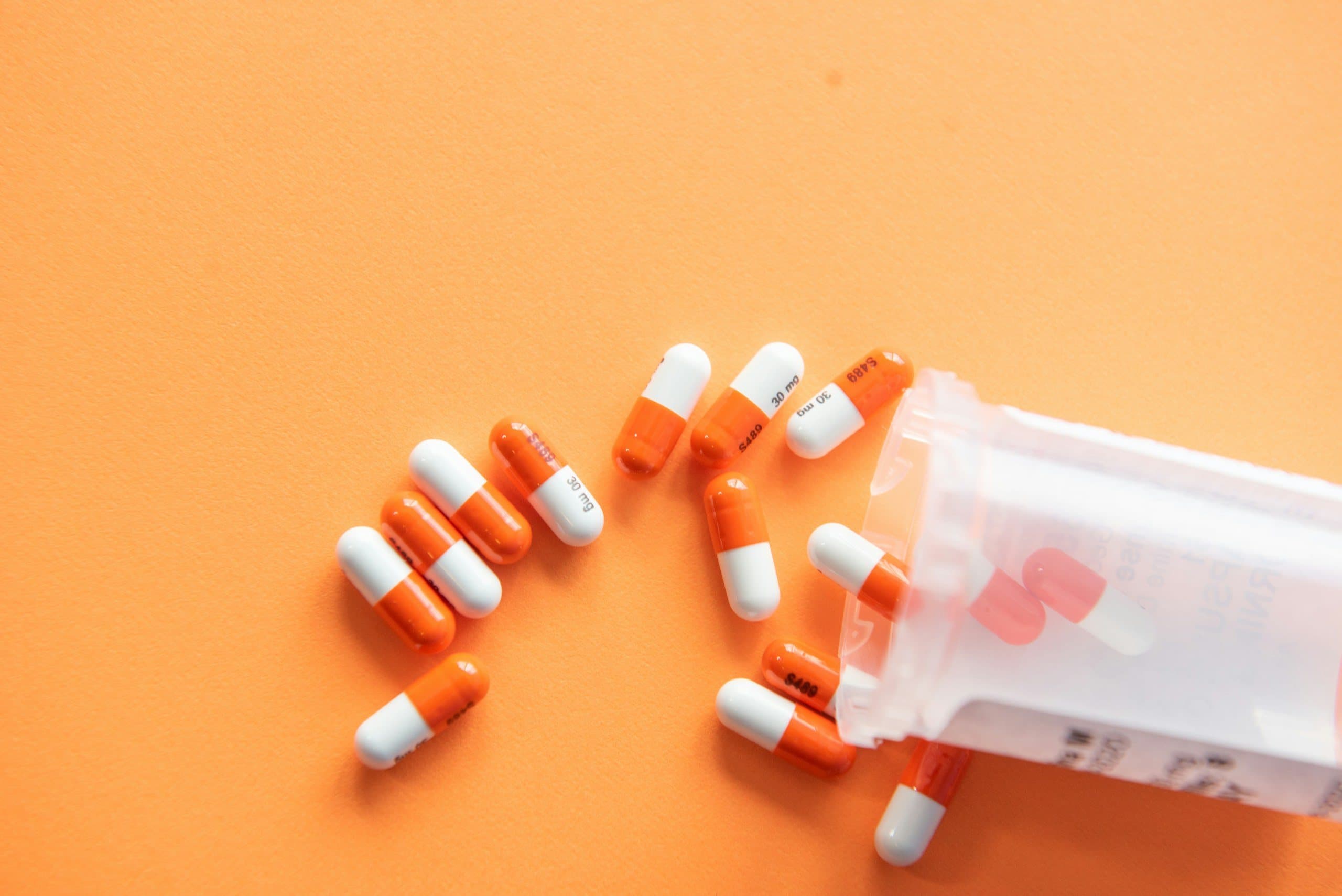
Acne can feel like an uninvited guest that refuses to leave. You try face washes, creams, antibiotics, home remedies and every viral skincare trend, yet the breakouts keep coming back. For many people, Accutane becomes the final and most powerful weapon against severe acne. But the word “Accutane” can sound intimidating: it's surrounded by myths, fear and endless stories online.
This guide is your calm, clear and honest companion: a friendly map through the journey, step by step. No panic, no confusion. Just facts, support and practical advice so you feel confident before, during and after treatment with isotretinoin capsules.
Introduction to Accutane (isotretinoin)
What is Accutane?
Accutane is the brand name for isotretinoin, a powerful oral medication derived from vitamin A. It is mainly prescribed for severe, cystic or stubborn acne that does not respond to other treatments. Unlike creams or antibiotics that target acne from the surface, Accutane works inside your body to change how your skin behaves.
Imagine your oil glands as factories producing too much oil. Accutane turns the machines down. Less oil means fewer clogged pores, and fewer clogged pores mean fewer pimples. Simple, but powerful.
Why is Accutane considered a powerful acne treatment?
Accutane is unique because it tackles all four major causes of acne:
- Excess oil production
- Clogged pores
- Bacteria
- Inflammation
Most treatments address only one or two of these. That's why dermatologists often call it the “last resort” treatment: not because it's dangerous, but because it is extremely effective.
A brief history of isotretinoin in dermatology
Isotretinoin was introduced in the late 1970s and changed acne treatment for good. Before it, people with severe acne often had no lasting solution. Today, millions of patients worldwide have achieved long-term clear skin with isotretinoin.
How Accutane works in the body
Understanding sebum production
Sebum is the natural oil your skin produces. It protects your skin and keeps it hydrated, but too much sebum is like pouring oil into a clogged sink: everything gets stuck, bacteria grow and acne appears.
The role of isotretinoin in shrinking oil glands
Accutane shrinks your oil glands. Smaller glands produce less sebum, and less sebum means fewer clogged pores. Over time this change becomes long-lasting, which is why many people stay clear even after stopping Accutane.
How Accutane targets all four causes of acne
Think of acne as a four-legged table. Remove one leg and it may wobble, but it still stands. Accutane removes all four legs, which is why it works when everything else has failed.
Who should consider Accutane?
Severe and cystic acne
If your acne is deep, painful and leaving scars, Accutane may be an ideal option. Cystic acne is not just cosmetic; it can affect your confidence, mental health and daily life.
When other treatments have failed
If you've tried topical treatments, antibiotics, hormonal therapy and lifestyle changes with little success, Accutane can provide a lasting solution.
The psychological impact of severe acne
Acne doesn't only live on your face; it lives in your thoughts, in how you look in the mirror, take photos and meet people. Accutane often gives patients their confidence back.
Who should avoid Accutane?
Pregnancy and Accutane risks
Accutane must never be used during pregnancy. It can cause severe birth defects, which is why strict pregnancy prevention programs (iPLEDGE) are required for women who can become pregnant.
Pre-existing health conditions
People with liver disease, high cholesterol or certain mental health conditions must discuss the risks carefully with their doctor.
Accutane dosage and treatment duration
How dosage is calculated
Dosage is based on your body weight. Doctors usually start low and increase gradually to minimize side effects.
Typical length of a course
Most treatments last 4 to 6 months, though some go longer depending on your response.
What if you miss a dose?
Don't panic. Take your next dose as scheduled, and never double up.
What to expect before starting Accutane
Required medical tests
Blood tests check:
- Liver function
- Cholesterol levels
- Pregnancy status (for women)
Consent forms and safety programs
These exist to protect you. They make sure you clearly understand the risks and benefits.
Mental and physical preparation
Prepare your skin, your mindset and your routine. Accutane is a journey, not a sprint.
What to expect in the first month
Acne may get worse before it gets better
This is called the “purge phase,” and it's a sign the medication is working.
Common early side effects
- Dry lips
- Dry skin
- Mild headaches
- Sensitivity to sunlight
Staying motivated during the purge phase
Think of it like cleaning a messy room: it looks worse before it looks better. Stay patient.
Starting Accutane? We'll handle iPLEDGE, insurance and free delivery.
This guide is general information, not medical advice. Always follow your dermatologist's instructions, and call our pharmacists with any questions about your medication.